Jan 2, 2026
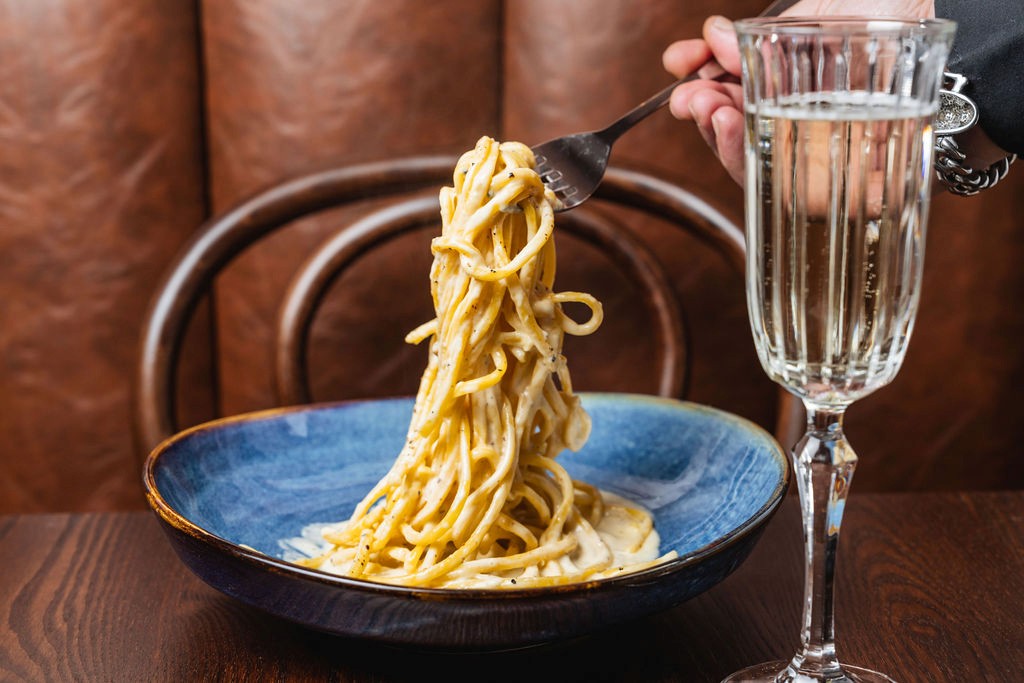
Whether you're exploring pasta restaurants in London for the first time or you're a seasoned Italian food enthusiast, understanding these classic dishes will transform your dining experience. Roman simplicity, Northern Italian luxury, and Southern Italian traditions all contribute to the rich tapestry of Italian pasta culture.
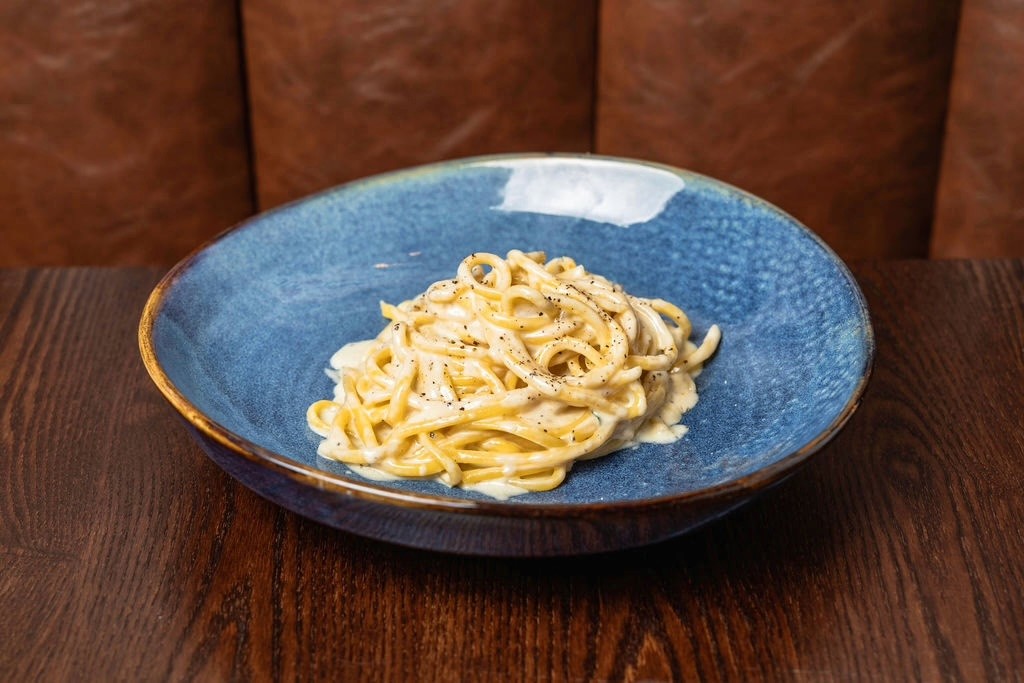
1. Bucatini Cacio e Pepe - A Roman Classic
When looking to try authentic pasta restaurants in London, start with Cacio e Pepe. This deceptively simple dish uses pasta, pecorino Romano cheese and black pepper - yet many restaurants struggle to perfect it. The technique requires precise timing and temperature control to create that signature creamy sauce without any cream.
At 27 Old Compton Street, bucatini serves as the traditional choice for this Roman classic. The hollow strands are perfect for capturing the peppery, cheese-laden coating that makes this one of the most sought-after pasta dishes in Italian restaurants.
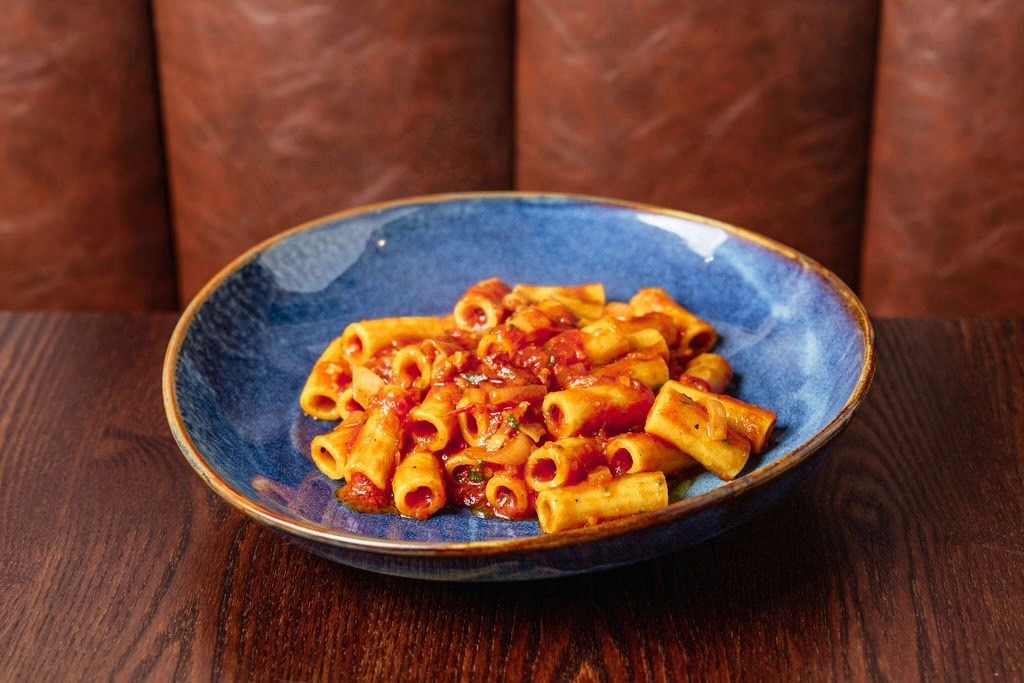
2. Maccheroni Amatriciana - A Taste of the Mountains
Amatriciana originated in Amatrice, a mountain town between Lazio and Abruzzo. The original recipe calls for guanciale (cured pork jowl), though many London restaurants substitute pancetta or even bacon. The difference matters – guanciale has more fat and a deeper flavour that melts into the sauce.
The sauce itself is deceptively simple: pork fat renders down, tomatoes add acidity, pecorino Romano brings saltiness, and chilli provides heat. Getting the balance right is what separates great Amatriciana from average attempts. Too much tomato and it becomes a basic marinara. Too little heat and it falls flat.
Traditionally served with bucatini (thick spaghetti with a hole through the centre), many modern versions use rigatoni or maccheroni. The ridged pasta shapes work brilliantly, as they catch the chunks of meat and cling to the sauce.
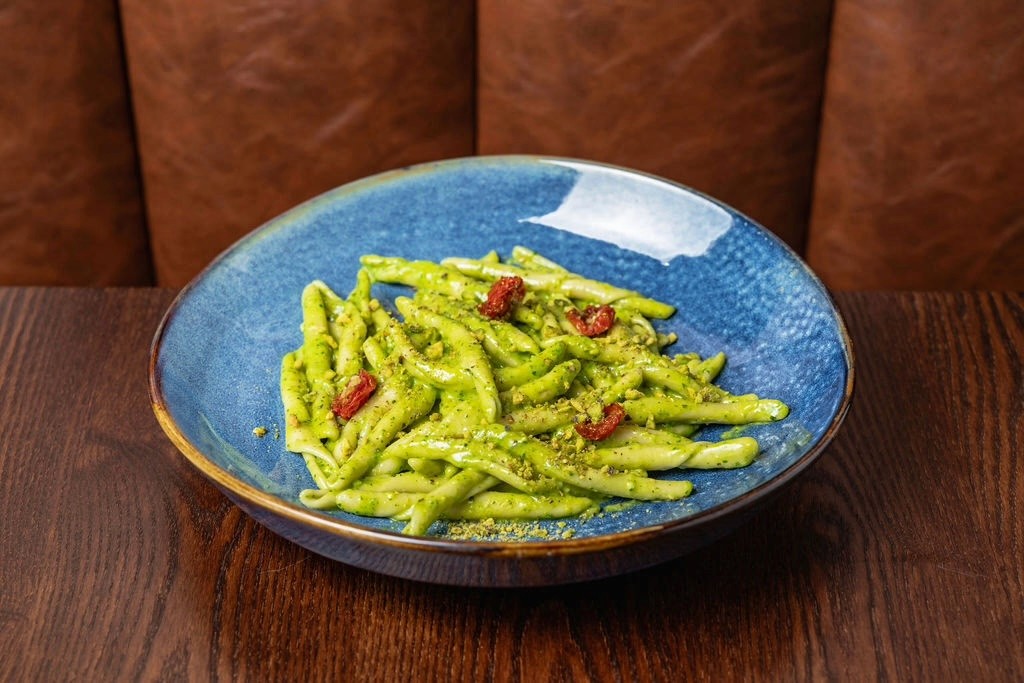
3. Rustici Pesto - Creative Italian Greens
Pesto originated in Liguria, where fishermen made it with whatever grew nearby; basil, pine nuts, garlic and local cheese. The name means "pounded" because traditionally it's made with a mortar and pestle, not a blender. Crushing releases the basil oils differently than chopping, creating a more fragrant sauce.
These days, Italian chefs make pesto with all sorts of greens. Cavolo nero (Tuscan black cabbage) has become popular, especially in autumn when basil is scarce. The dark leaves taste earthier than basil, almost mineral-like. Many versions mix nuts too – pistachios with pine nuts add richness and a different flavour profile.
Pasta shape makes a real difference with pesto. Trofie, the traditional Ligurian pasta, has a twisted shape that holds chunky sauce. Fusilli and other corkscrew shapes work similarly. Flat pasta like linguine doesn't grip pesto well; you end up with plain pasta and all the good bits left on the plate. When ordering pesto pasta, check what shape they're using, as it does make a difference.
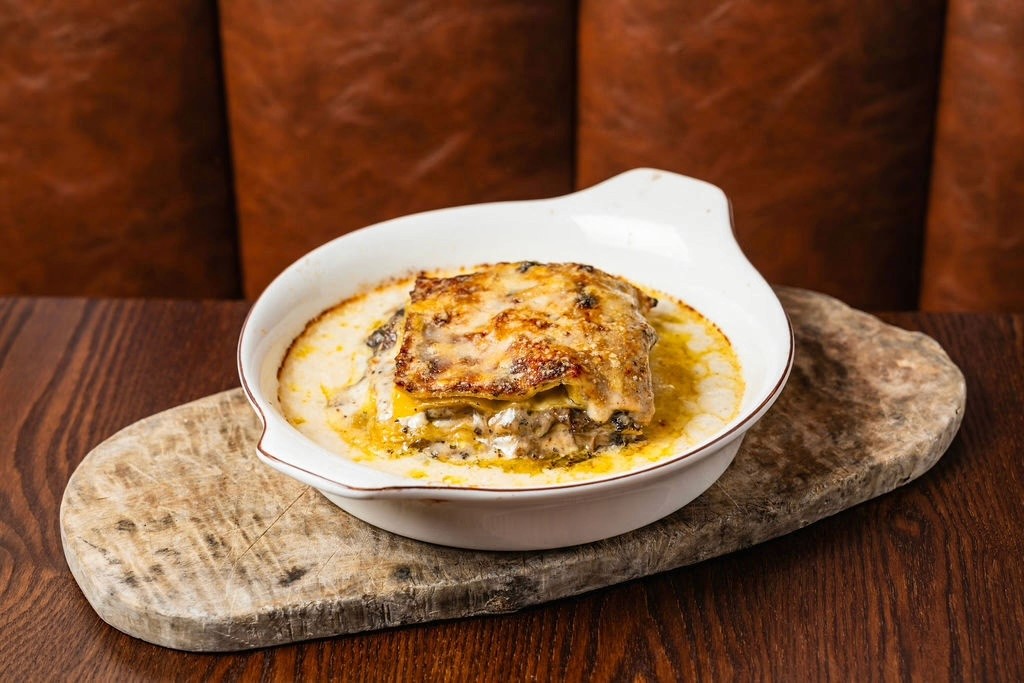
4. Mushroom and Truffle Lasagne - Northern Italian Luxury
Vegetarian lasagne appears throughout Northern Italy, particularly in regions known for their dairy and mushroom dishes. These versions layer fresh egg pasta with béchamel sauce and seasonal mushrooms, creating a dish that stands on its own merits rather than trying to replace meat.
Different mushrooms bring different qualities – porcini adds earthiness, while mixed varieties create more complex flavours. Mushrooms release a lot of water, so they need to be cooked until that moisture evaporates and their flavour concentrates. Some restaurants add truffle oil or fresh truffles for extra richness.
The béchamel serves as the binding element, bringing mouth-watering creaminess. Fresh pasta sheets need to be rolled to the right thickness – thin enough to cook through in the oven, thick enough to maintain structure. If you are looking for vegetarian options, a well-made mushroom lasagne will always prove that plant-based dishes can be every bit as indulgent as their meat counterparts.
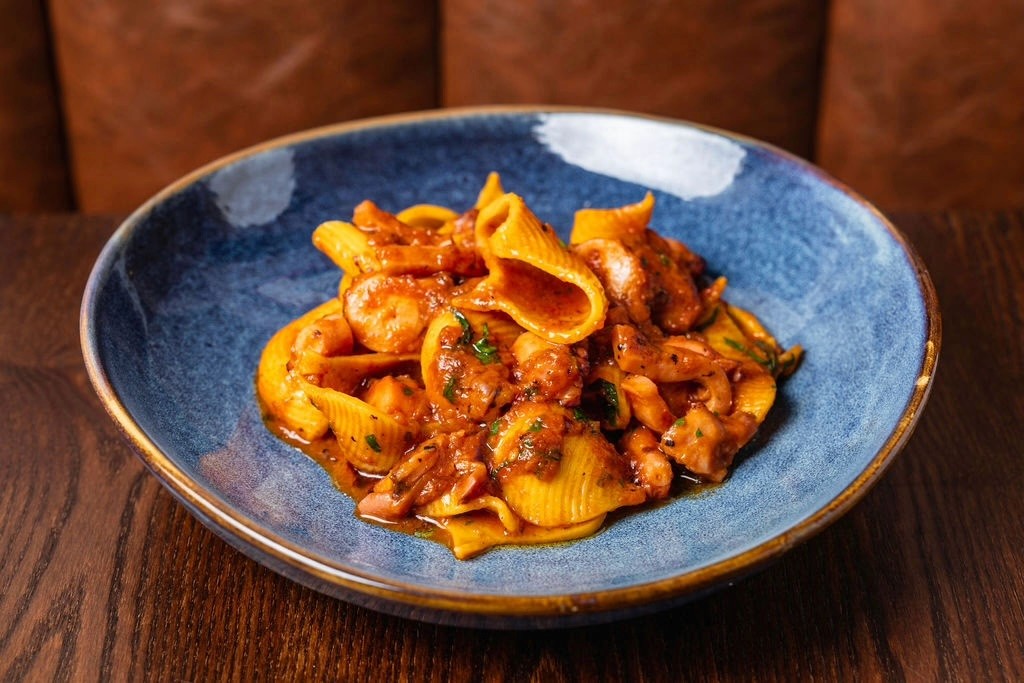
5. Conchiglie Octopus Ragù - Coastal Traditions
Octopus ragù comes from Southern Italy's coastal regions. Raw octopus is tough and rubbery, so it needs hours of slow cooking to become tender. The traditional method simmers it with tomatoes, garlic, white wine and herbs until you can cut the octopus with a spoon. Rushed cooking leaves it disappointingly chewy.
Conchiglie (shell pasta) suits this dish perfectly. The curved shells catch octopus pieces and hold the sauce in every bite. Other short pasta shapes like rigatoni or paccheri work well too, as well as anything with ridges or curves. Long pasta like spaghetti doesn't work because the octopus slides off.
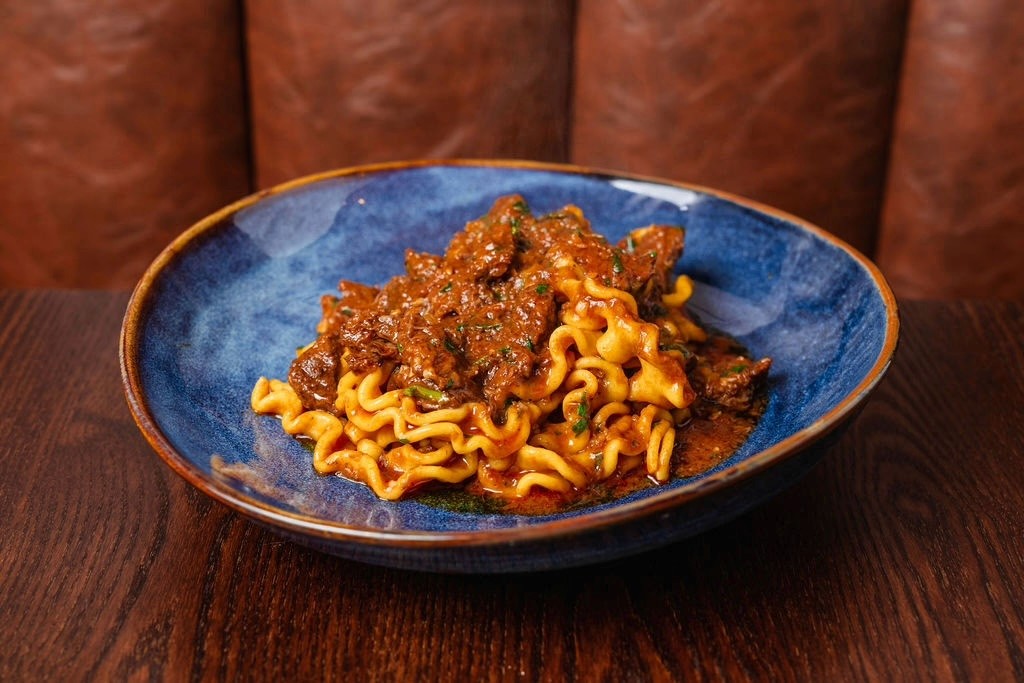
6. Mafalda Beef Ragù - The Sunday Classic
Ragù originated in Bologna, where families would simmer beef for hours every Sunday. The meat cooks slowly with vegetables, wine and a small amount of tomato until it breaks down completely. This takes at least three hours; sometimes more. Quick versions using minced meat miss the point. Real ragù has texture from the slow-cooked meat fibres.
Mafalda pasta looks like a ribbon with ruffled edges. These frills aren't decorative; they trap the meat sauce, ensuring every forkful has the right balance of pasta and ragù. Other good choices include pappardelle or fresh tagliatelle. The wider the pasta, the better. When searching for restaurants that serve authentic pasta, proper ragù tells you which restaurants understand Italian cooking traditions.
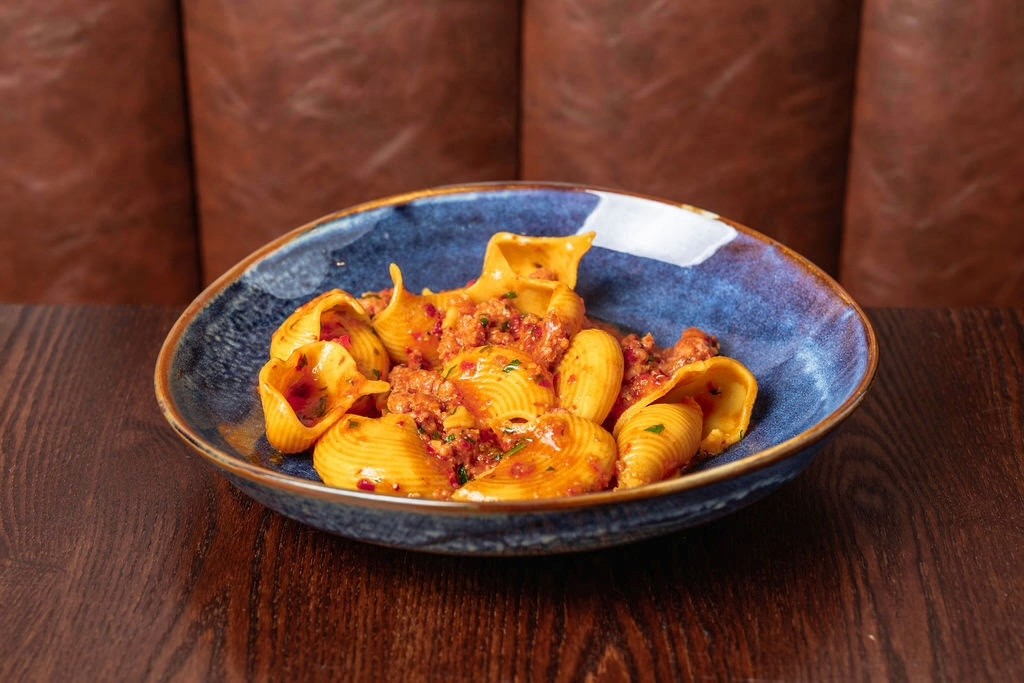
7. Conchiglie 'Nduja - Calabria's Spicy Revolution
'Nduja is a soft, spreadable sausage from Calabria made with pork, fat and lots of chilli. Unlike regular sausage, it has the consistency of pâté. When it hits hot pasta, it melts completely, turning into an instant sauce. The fat carries the heat and smoky pork flavour throughout the dish.
Originally from the toe of Italy's boot, 'nduja was virtually unknown in Britain until recently. Now it appears on menus across London. Mixed with tomatoes, it creates a rich, spicy sauce without much effort – which explains its popularity with chefs. Conchiglie shells work well because they catch the oily sauce in their curves.
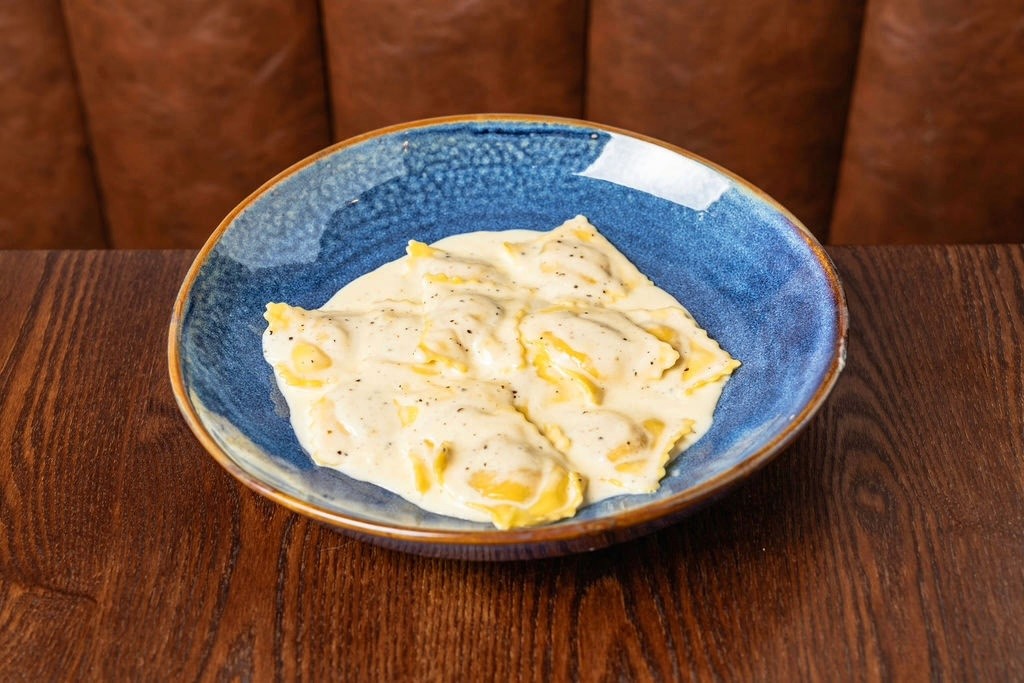
8. Pumpkin Ravioli - Mantua's Sweet and Savoury
Pumpkin ravioli comes from Mantua in Lombardy, where it's called tortelli di zucca. The traditional filling mixes roasted butternut squash with mostarda (candied fruit in mustard syrup) and crushed amaretti biscuits. This creates an unusual sweet-savoury balance that surprises first-time tasters.
The sauce is simple – butter infused with fresh sage leaves and topped with Parmigiano-Reggiano. Some versions add a splash of Amaretto to echo those amaretti in the filling. The sweetness works because the cheese and sage provide a savoury contrast. When done well, each ravioli parcel delivers layers of flavour.
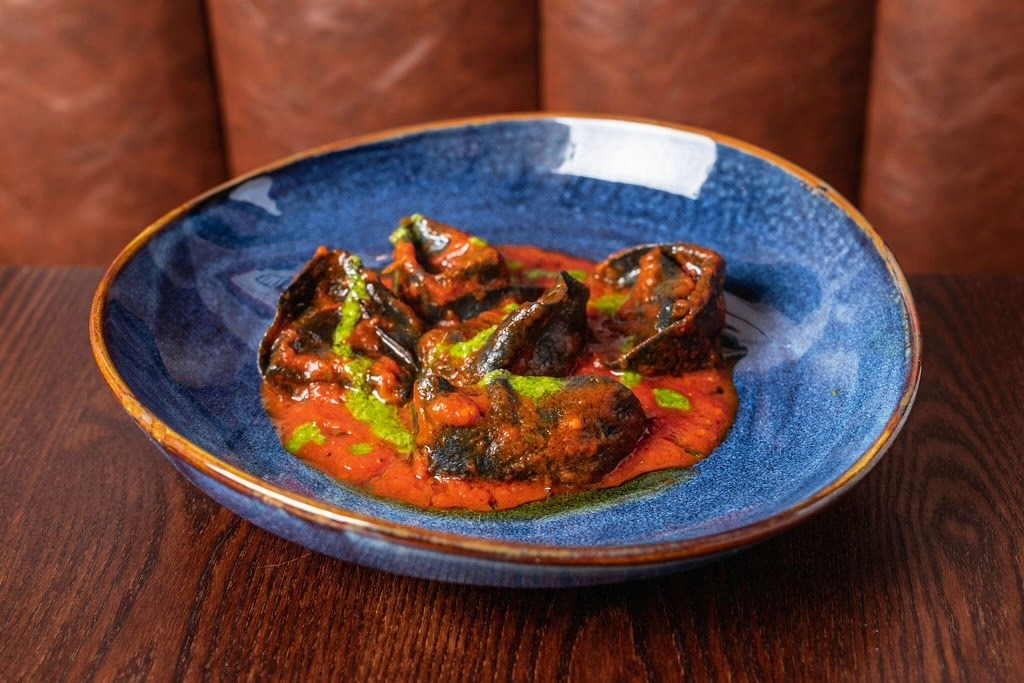
9. Black Squid Ink Lobster Ravioli - Venetian Drama
Squid ink pasta originated in Venice and coastal regions where cuttlefish and squid were plentiful. The ink turns pasta jet black and adds a subtle briny flavour. Combined with luxurious fillings like lobster, it became a restaurant showpiece.
The contrast works on several levels - the dark pasta against bright tomato sauce, the mild seafood flavour of the ink complementing sweet lobster meat. Making squid ink pasta requires mixing the ink directly into the dough, which stains everything it touches. The filling must be generous enough to taste through the distinctive pasta.
This dish appears in restaurants across London for good reason. It’s Instagrammable and tastes delicious!
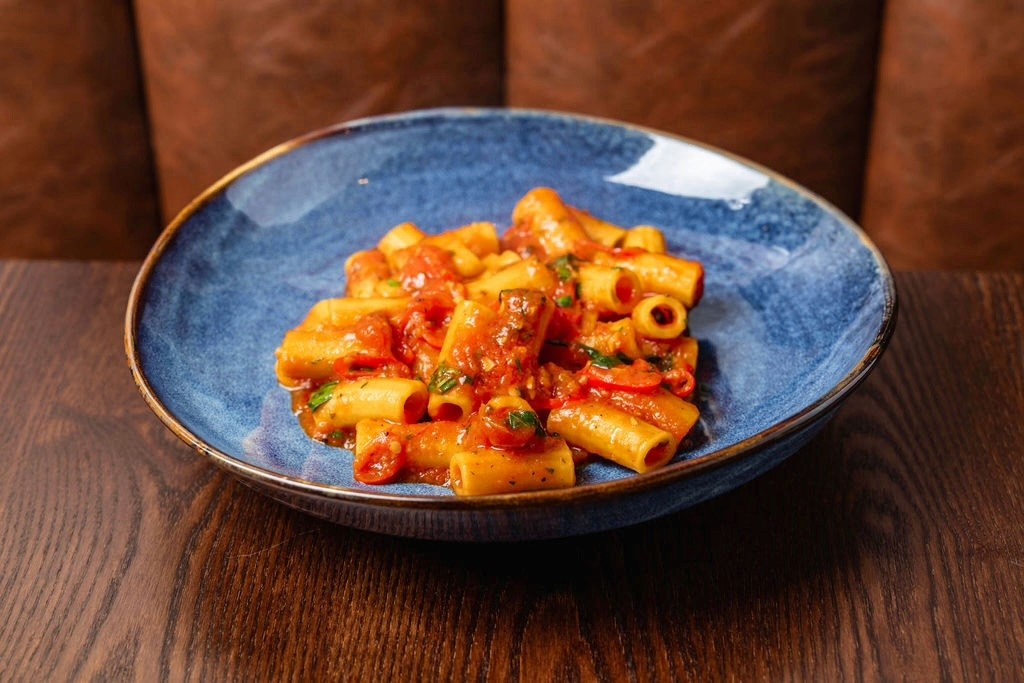
10. Maccheroni Vodka - Italian-American Evolution
Vodka sauce was invented in the 1970s or 80s – nobody agrees exactly where. Some say Italian-American restaurants in New York created it, others claim it started in Italy. Either way, it's a relatively modern addition to pasta dishes.
The vodka serves a purpose. Alcohol dissolves flavour compounds in tomatoes that water can't reach, making the sauce taste richer. Most of the alcohol cooks off, leaving a creamy texture without using cream (though many restaurants add cream anyway). The standard recipe includes tomatoes, vodka, onions, and sometimes pancetta or prosciutto.
While purists might dismiss it as inauthentic, vodka sauce has become a menu staple. It represents how Italian-American inventions eventually influence pasta in cities like London and worldwide. Sometimes, good food doesn't need centuries of tradition behind it.
The Late-Night Pasta Scene
One advantage of looking for pasta restaurants in London is availability. While Italy might close early, London accommodates theatre-goers and night workers. Restaurants staying open until 1 AM on weekends with fresh pasta still available deserve recognition for bringing Italian hospitality to London's 24-hour culture.
Experience Authentic Pasta in London
Ready to explore exceptional pasta in London? At 27 Old Compton Street, we prepare these classics fresh throughout the day. Traditional Roman favourites, creative seasonal specials, and everything in between - discover why Soho locals queue for our handmade pasta.
Open until 1 AM on Friday and Saturday - perfect for late-night pasta in London.